
Neoorthocaulis floerkei
| Common Name | Floerke's Pawwort |
| Quick & Dirty ID | XXXXXX |
Image Gallery
Distinguishing Features
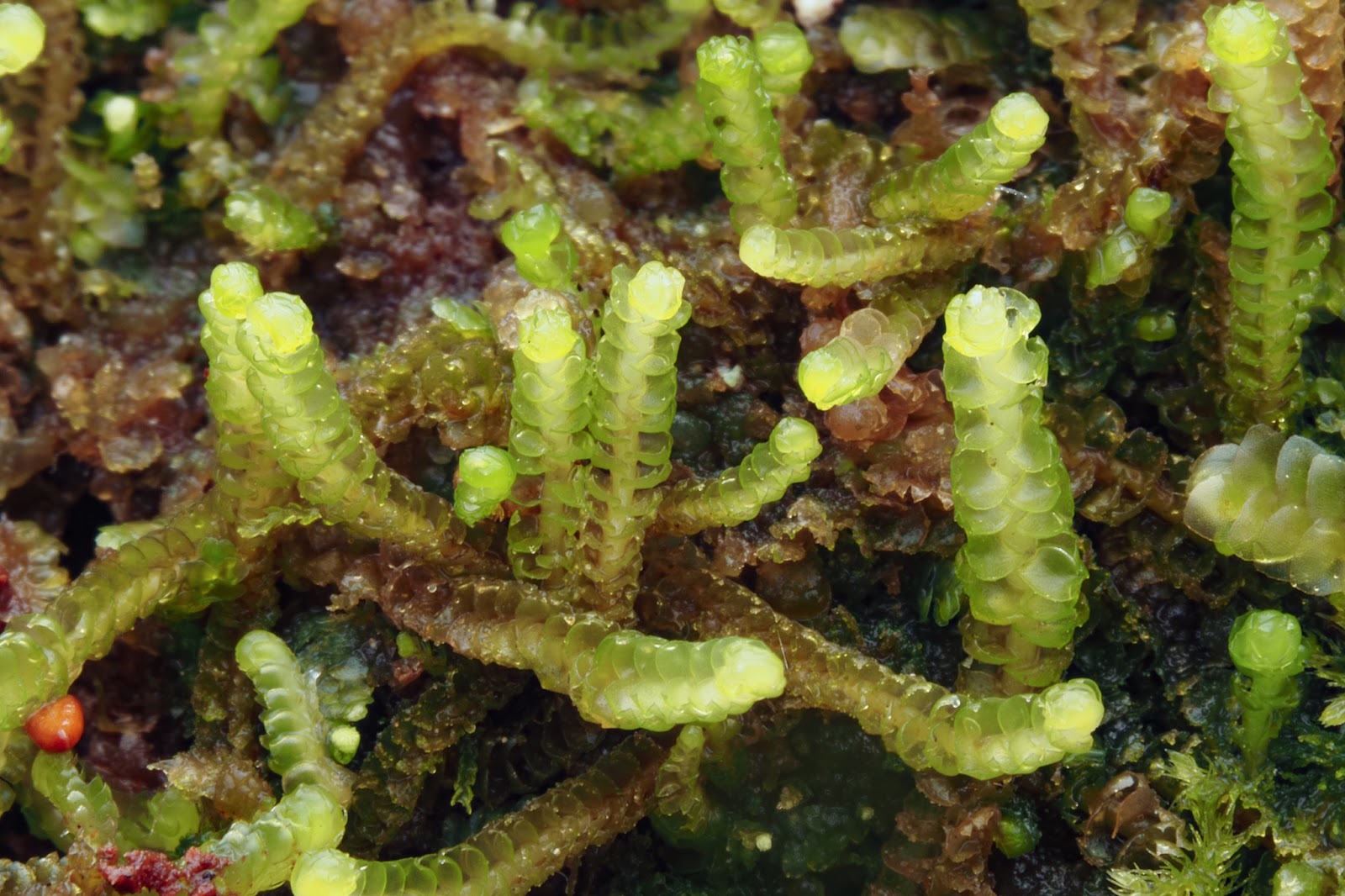
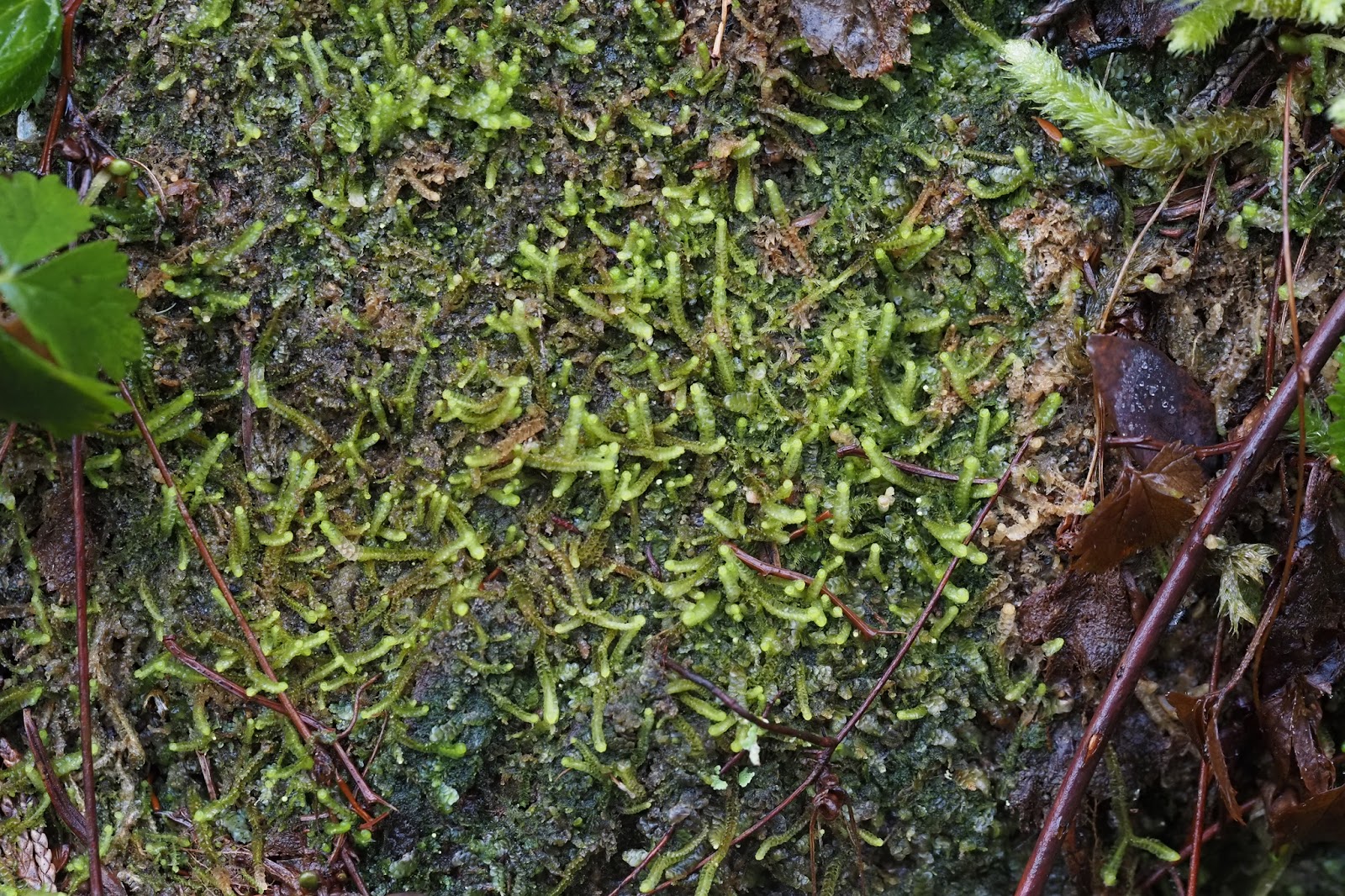
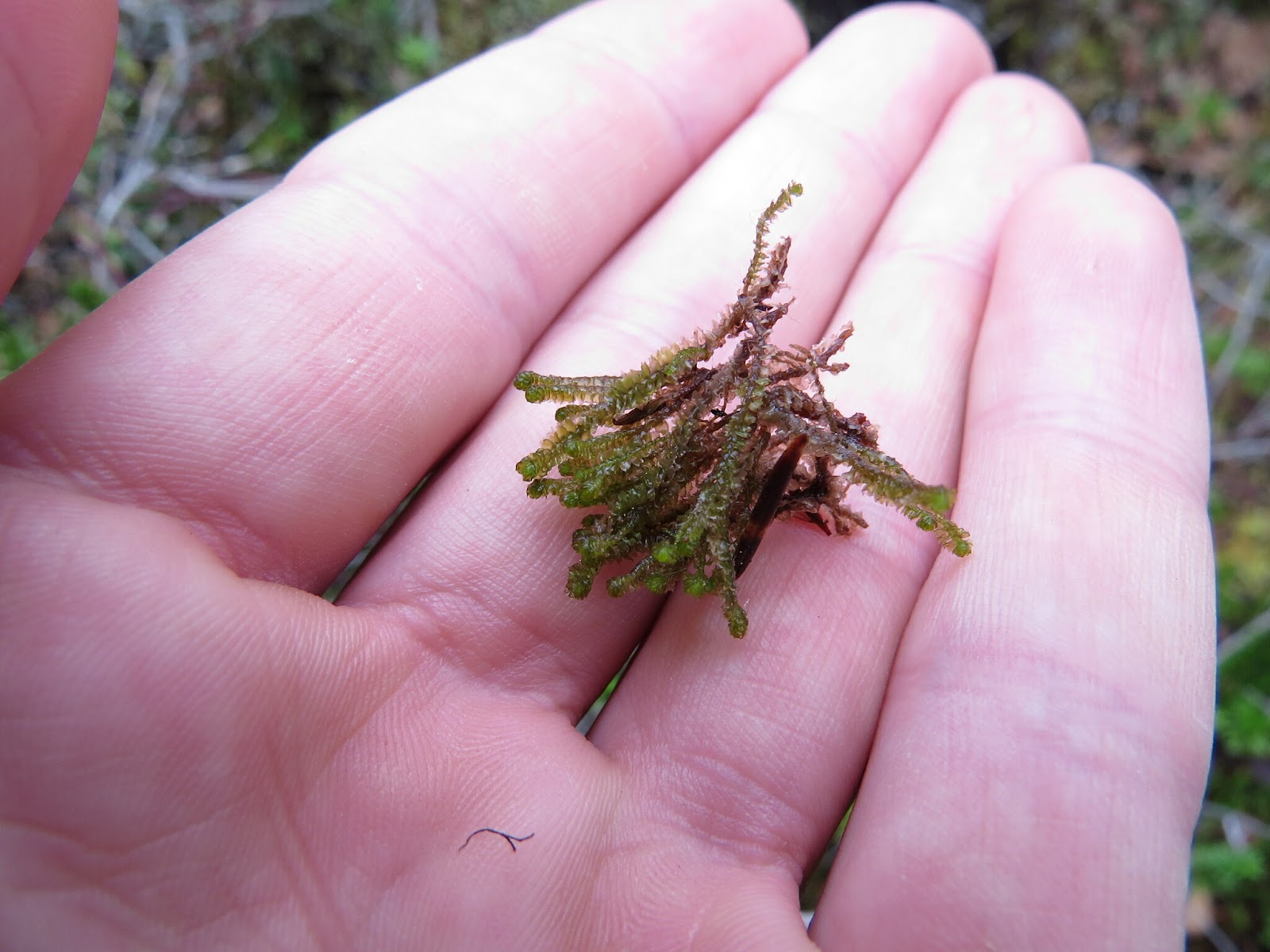
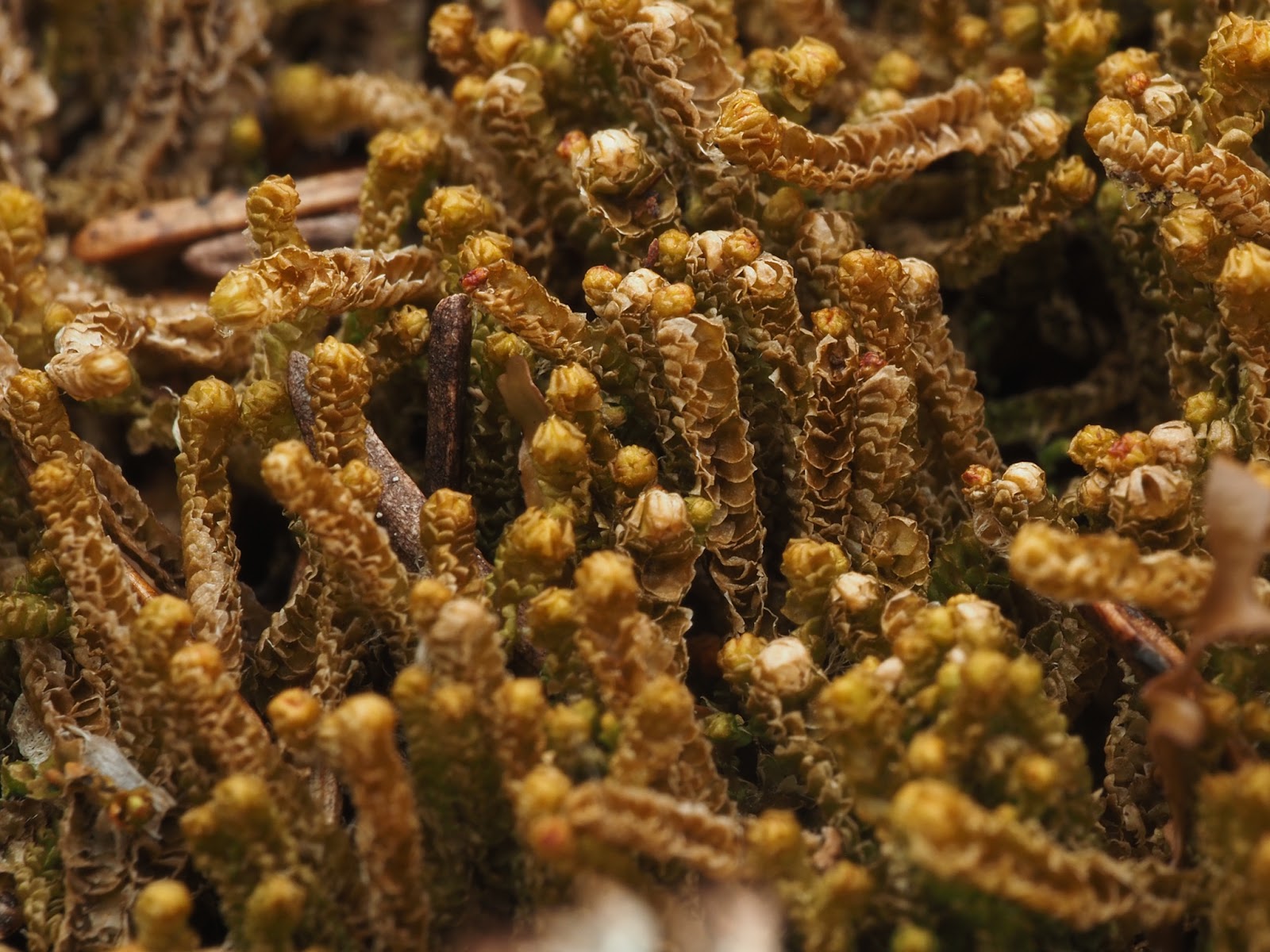
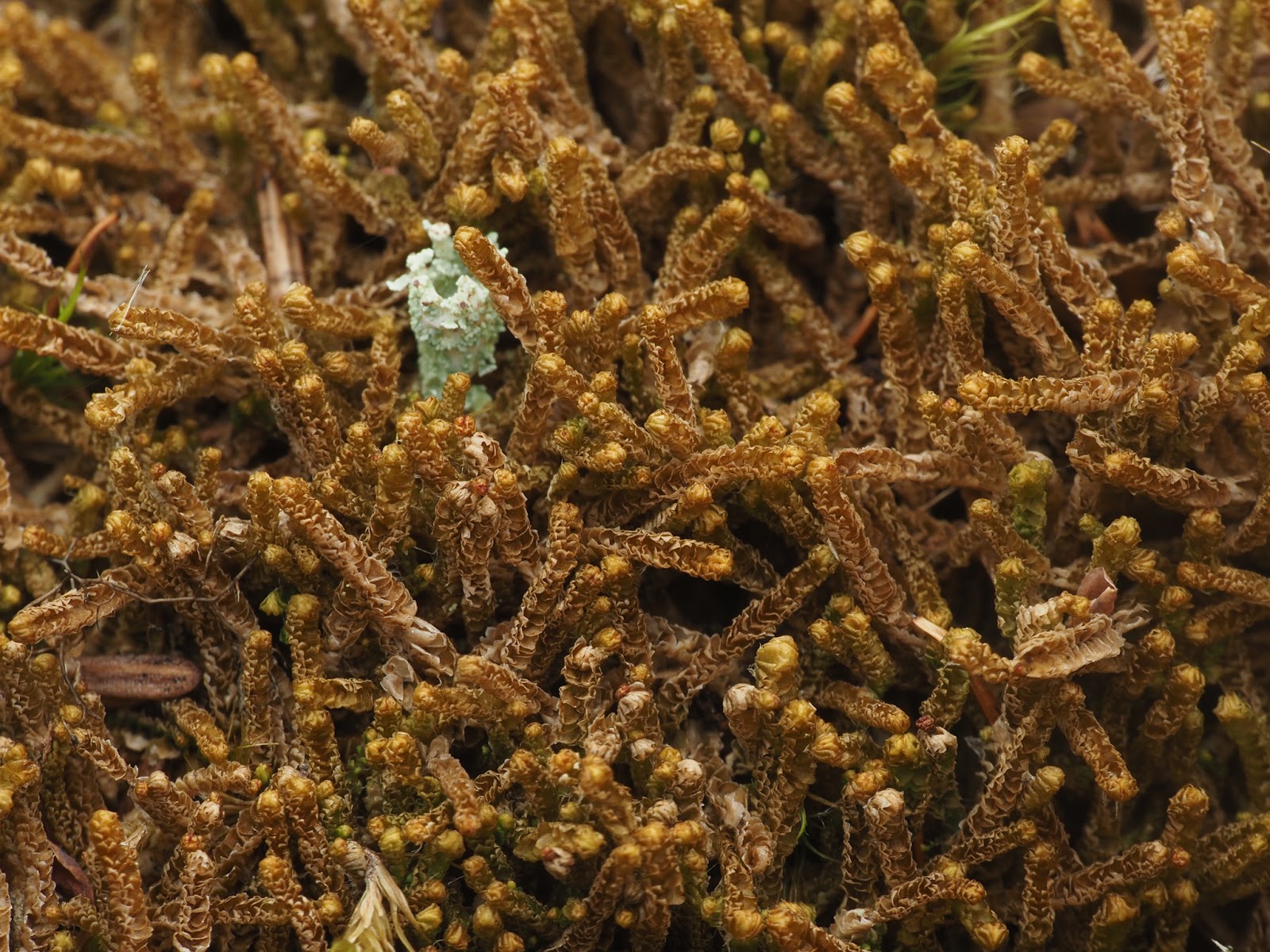
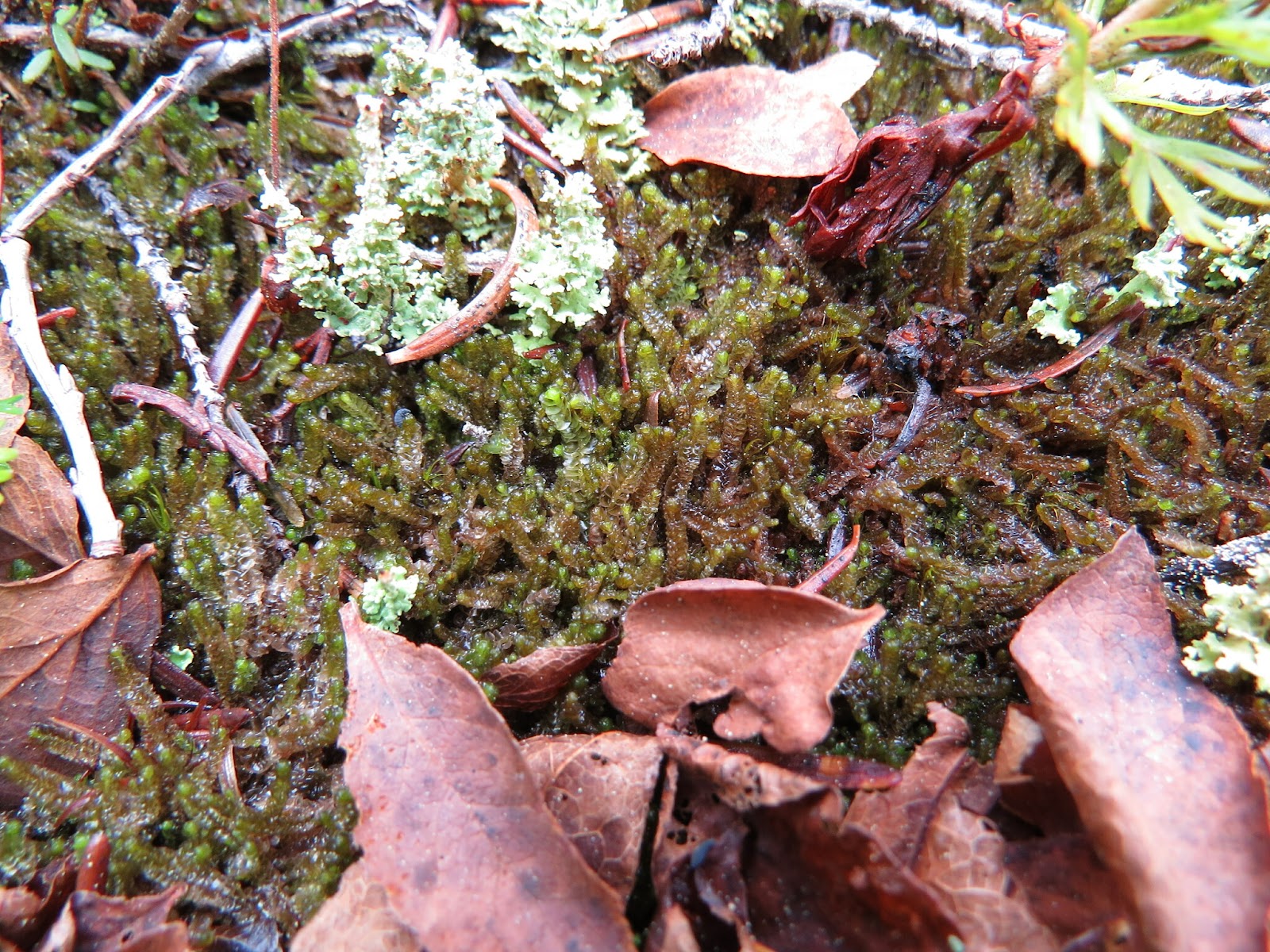
One of the dominant under heath groundcovers of montane and subalpine habitats, yellow-green N. floerkei forms luxuriant carpets of horizontal leafy shoots that can grow more than 5 cm long and up to 5 mm wide. The rectangular lateral leaves have 3 (or occasionally 4) broad lobes with dull tips and sinuses that descend down less than 1/4 of the leaf’s length, while the underleaves are clearly visible with a hand lens, deeply dissected and run about 1/2 the length of the lateral leaves. The bases of the lateral leaves attach obliquely to the stem and are ornamented with elongate “cilia”.
Similar species
XXXXXX
Habitat
Moist to wet humus, rock outcrops, boulders, cliffs, decayed wood, streambanks, shorelines, bogs, heath, and tundra in the upper montane, subalpine, and alpine zones;
Associated species
XXXXXX
Distribution Map
Relevant Literature
- Godfrey, J.D. (1977). Hepaticae and Anthocerotae of southwestern British Columbia . [Doctoral dissertation, University of British Columbia]. UBC cIRcle.
- Hong, W. S. (2007). Scapania. In Flora of North America Editorial Committee (Eds.), Flora of North America North of Mexico (Vol. 3) . Oxford University Press.
- Wagner, D. H. (2013). Guide to the liverworts of Oregon: Scapania undulata . Oregon State University Herbarium.